Blue and John Crow Mountains National Park Adventures
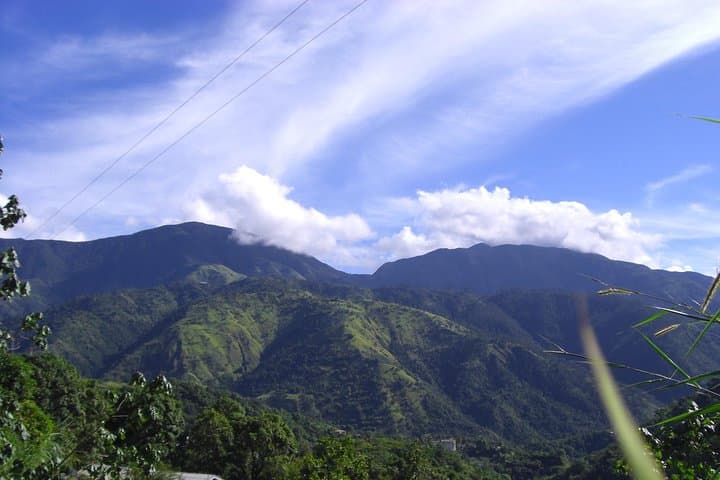
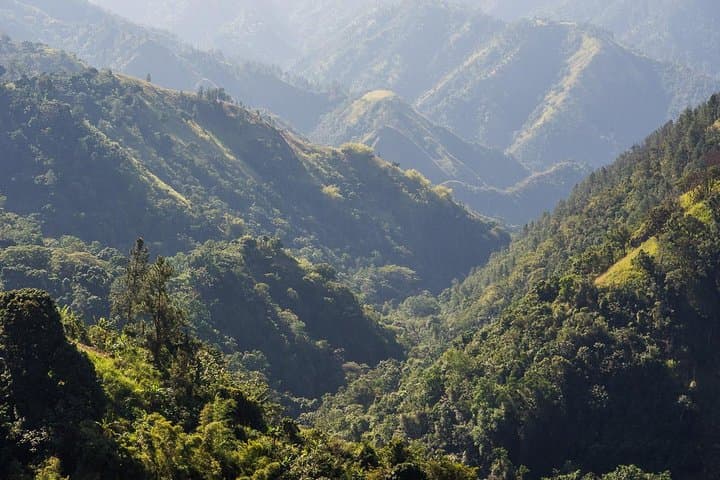
Blue and John Crow Mountains National Park is a UNESCO World Heritage Site known for its stunning biodiversity and cultural significance, offering a unique blend of natural beauty and historical richness.
Popular Activities
Plan Your Visit
Everything you need to know to prepare for an unforgettable trip to Blue and John Crow Mountains National Park.
Entrance Requirements
Entry fees apply; guided tours recommended for cultural sites.
Best Time to Visit
Best visited during the dry season, December to March, for clearer skies and less rain.
Visitor Information
Holywell Visitor Center is the main hub for park information and trail access.
Getting There
Access via B1 road; sections may be rough and a 4WD vehicle is advisable during the rainy season.
Weather & Climate
The area experiences a tropical climate, with cooler temperatures in higher elevations. Rain is most common from May to October, while the dry season runs from December to March.
Conservation Efforts
Deforestation, invasive species, and climate change pose challenges to the park's ecosystems. Ongoing conservation efforts aim to protect its unique biodiversity and cultural heritage.
Camping in Blue and John Crow Mountains National Park
Find the perfect spot to stay overnight and immerse yourself in the details.
Holywell Campground
Located within the Holywell Recreational Area, offering basic amenities and stunning views.
Top Trails
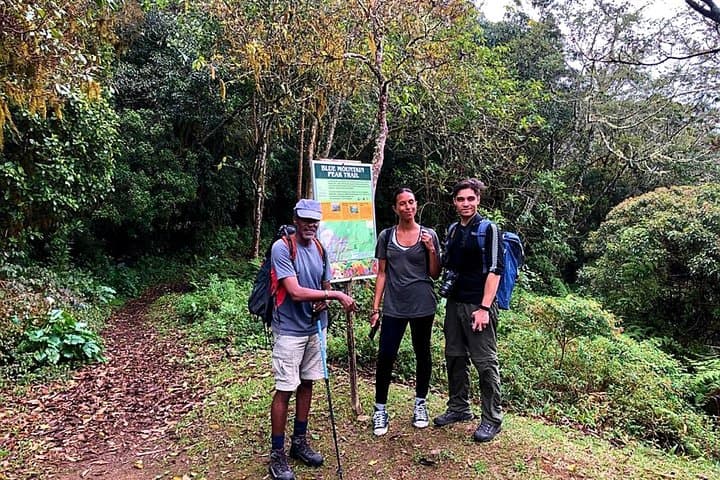
Blue Mountain Peak Trail
The trail leads to Jamaica's highest peak, rewarding hikers with panoramic views.
Waterfall Trail
A short trail leading to a picturesque waterfall in the lush forest.
Holywell Nature Walk
A leisurely walk through diverse flora and fauna in the Holywell area.
Catherine's Peak Trail
Offers a mix of cultural history and scenic views along the way.
Trailblazer Tips
Start your hike to Blue Mountain Peak early to catch the sunrise and enjoy the cooler temperatures.
Prepare for sudden weather changes and cool temperatures at higher elevations, especially during the rainy season from May to October.
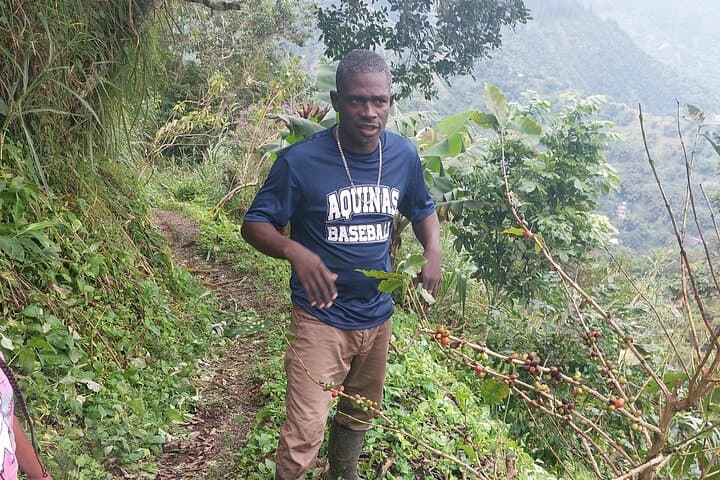
Consider a guided tour to gain insights into the park's cultural and historical significance.
Bring binoculars for birdwatching as the park is a habitat for many bird species, including the Jamaican Tody.